Search for your topic of interest
Example topics - composition, travel, etc
“Learn and love photography on your smartphone”
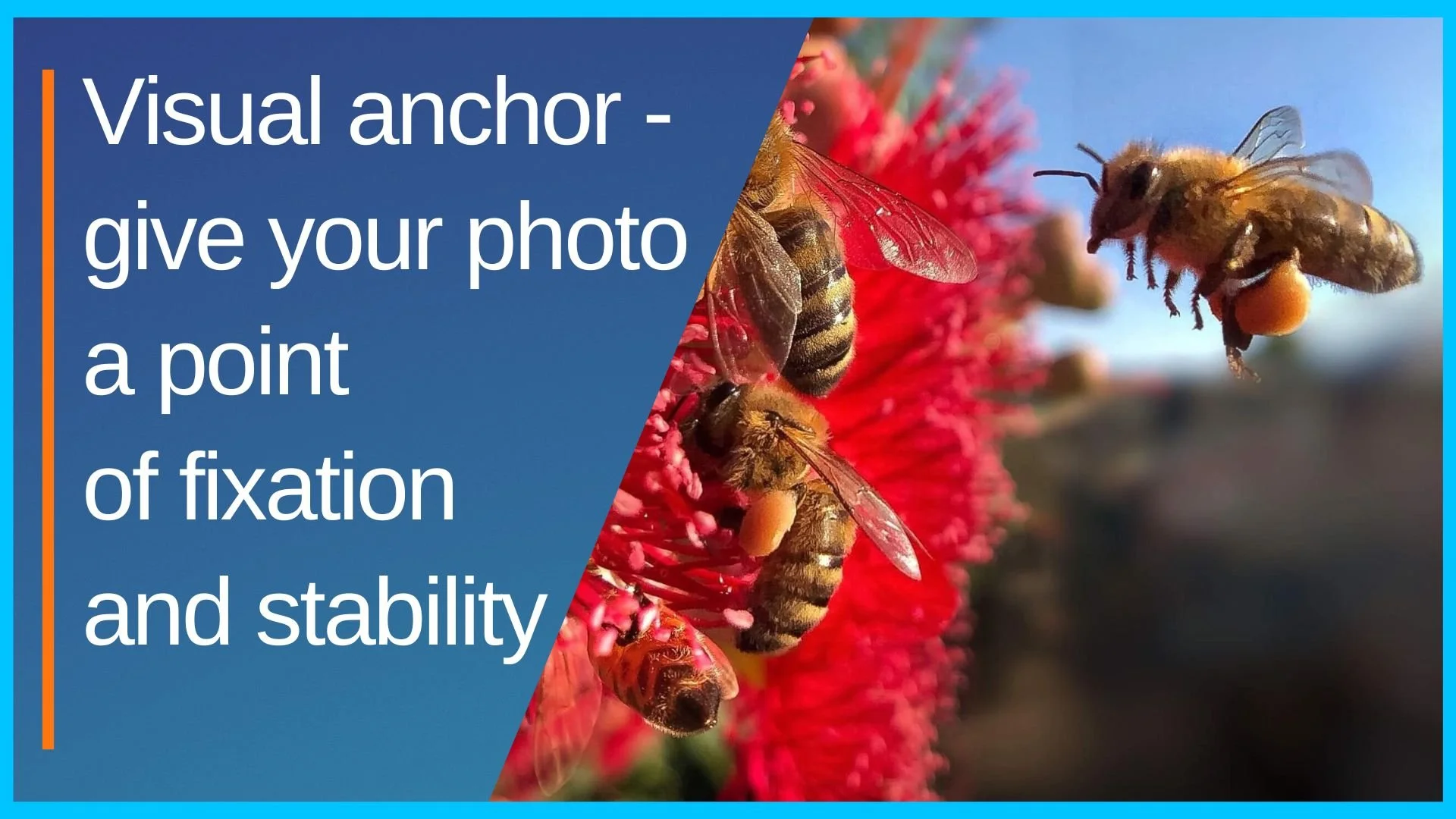
Visual anchor -give your photo a point of fixation and stability
A strong photo needs somewhere for the viewer’s eye to land. A visual anchor gives your image focus and clarity — whether it’s a person, shape, or burst of contrast. Learn how to add one with your smartphone for better, more readable compositions.

Negative, positive, and active space - shape your image with emptiness
Space isn’t empty — it’s part of your photo. Mastering the balance between negative, positive, and active space gives your images structure, emotion, and clarity. It’s how you shape the story, not just the subject.
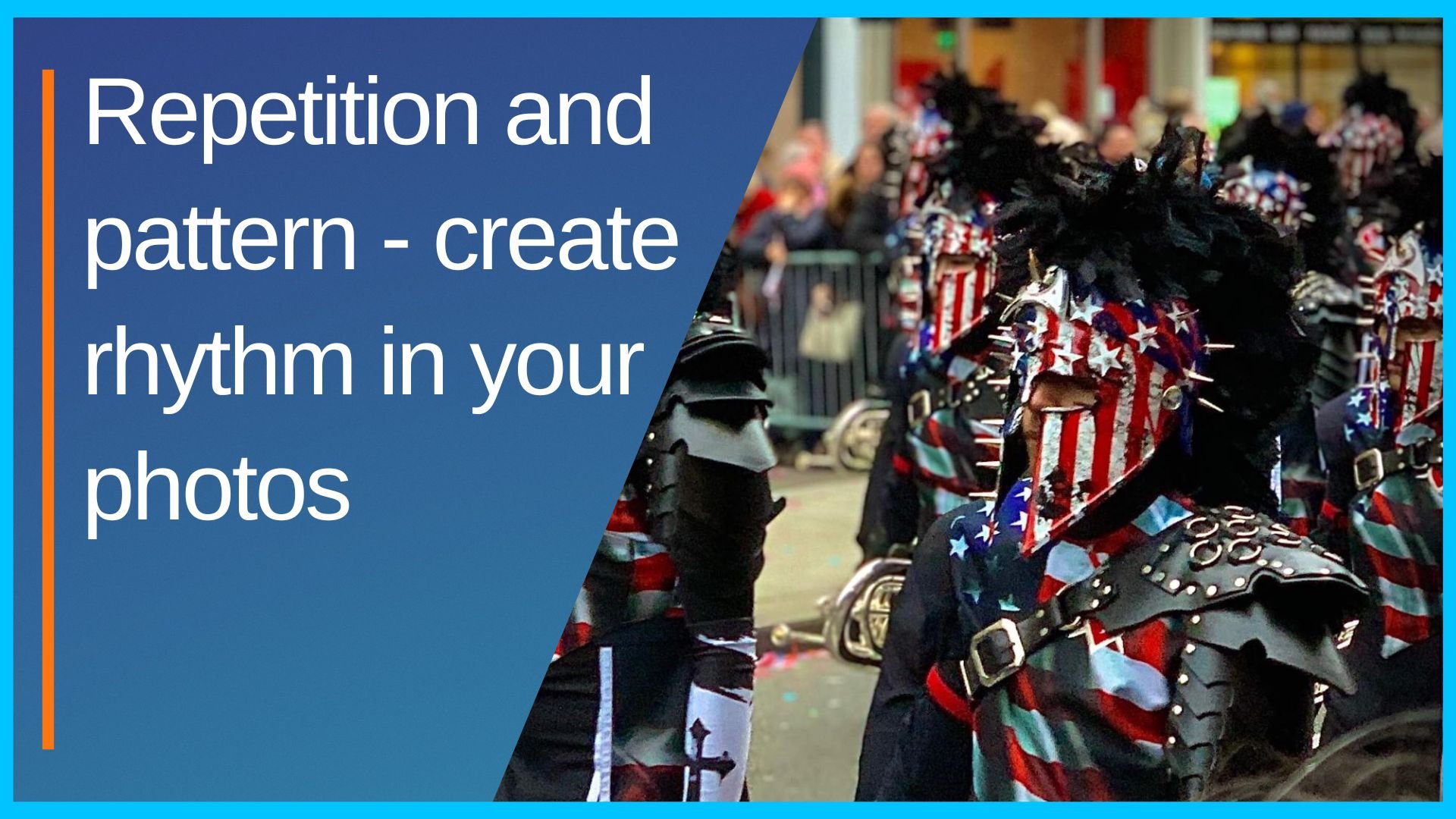
Repetition and pattern - create rhythm in your photos
Repetition adds rhythm — pattern adds structure. Whether natural or manmade, repeating elements can transform your smartphone photos into bold, balanced, and eye-catching compositions.

Proximity - how closeness creates meaning in your composition
Where you place your subjects — and how close they are to each other — shapes how your photo is read. Proximity influences connection, tension, and storytelling in every composition.

Common fate and similarity - the viewer groups what they see
When elements look alike or move together, we naturally see them as a group. Use the principles of common fate and similarity to build order, rhythm, and stronger storytelling in your photos.

Continuance - lead the eye with implied direction
The eye follows paths - even ones that don’t fully exist. Continuance uses implied lines and directional flow to guide attention, shape rhythm, and keep your viewer moving through the frame.

Emphasis - make your subject dominate the frame
Every great photo has a clear subject — and emphasis is how you make it stand out. Learn how to use size, contrast, placement, and focus to give your subject visual dominance in the frame.

How does the eye work? — guiding the viewer through your photo
The viewer’s eye doesn’t just land on a photo — it travels through it. By understanding how the eye moves, you can guide attention, control flow, and make your photos more purposeful and engaging.

Visual flow and hierarchy - control how your photo is read
Your photo is more than a subject — it’s a visual experience. Flow and hierarchy help you control how the eye moves and what matters most. Learn how to guide the journey and shape your story.

Left to right — composing with natural visual flow
In Western cultures, we read images from left to right. Use this natural viewing habit to guide the eye and tell stronger stories. This post shows you how to direct attention using layout and movement.

Focal point — how to anchor your viewer’s attention
Every photo needs a visual anchor—something for the eye to land on first. That’s your focal point. Discover how to create one using light, contrast, and composition that works naturally with your smartphone camera.

Principles and Elements of Design to Apply to Photography
Learn how to apply the principles and elements of design to elevate your smartphone photography. Master balance, contrast, rhythm, and more with simple, practical tips.